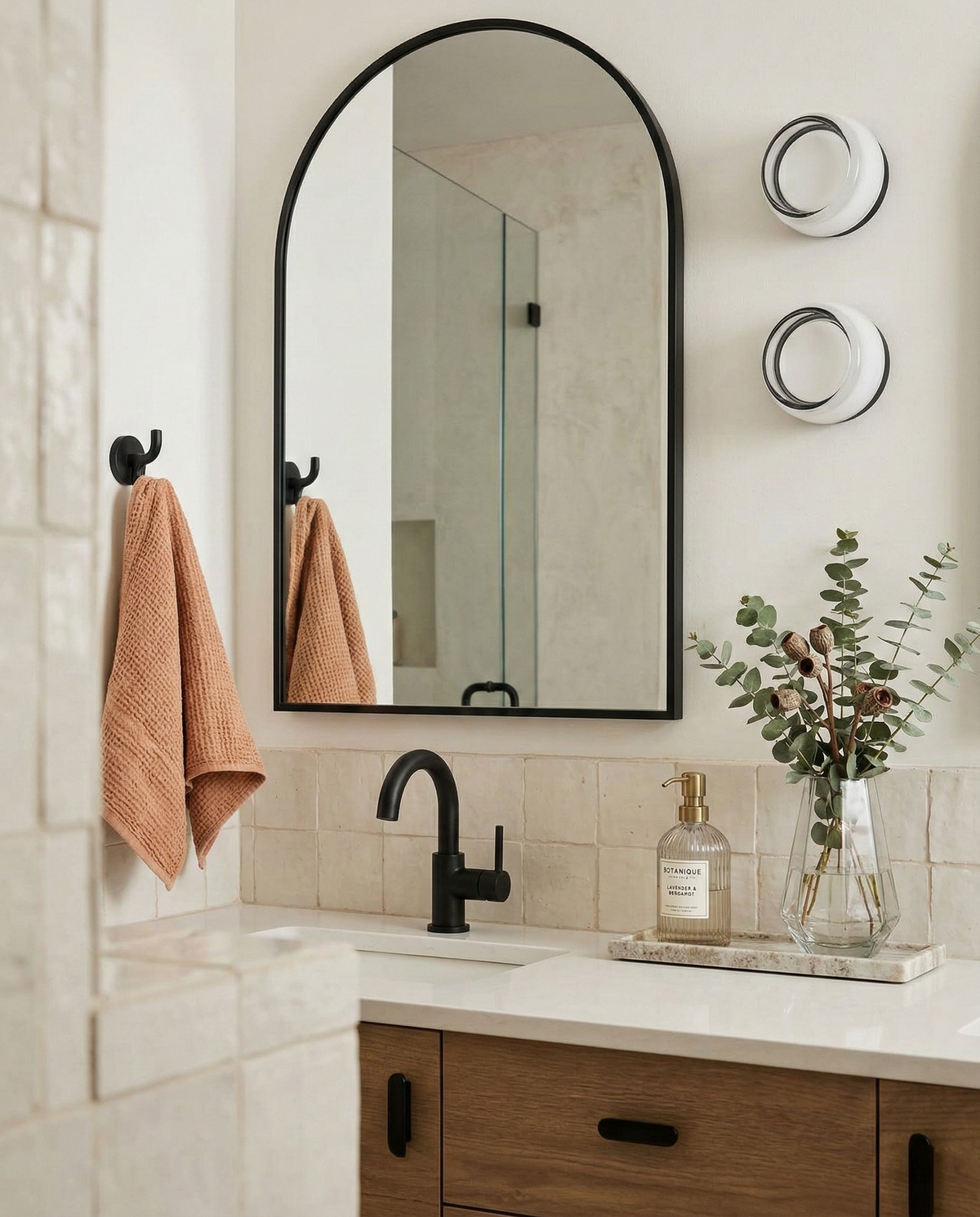
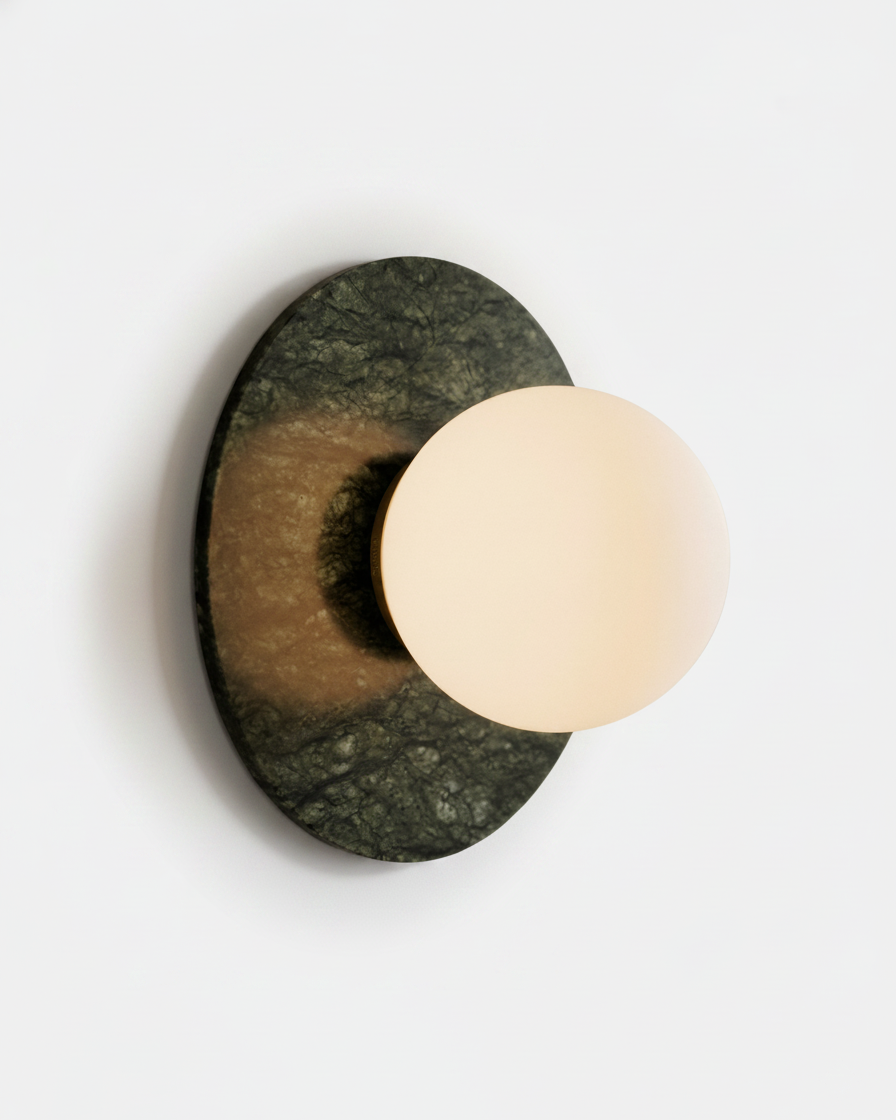
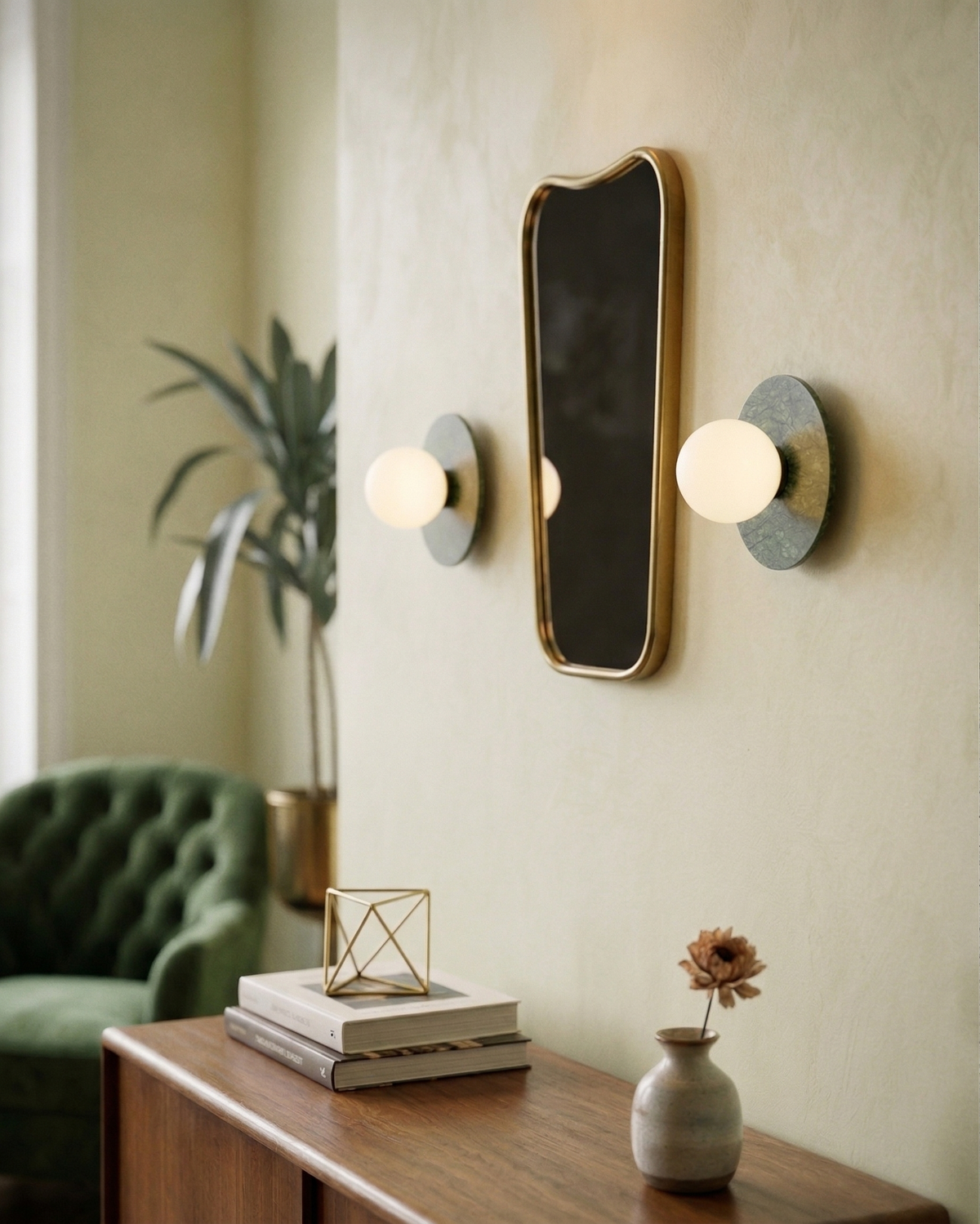
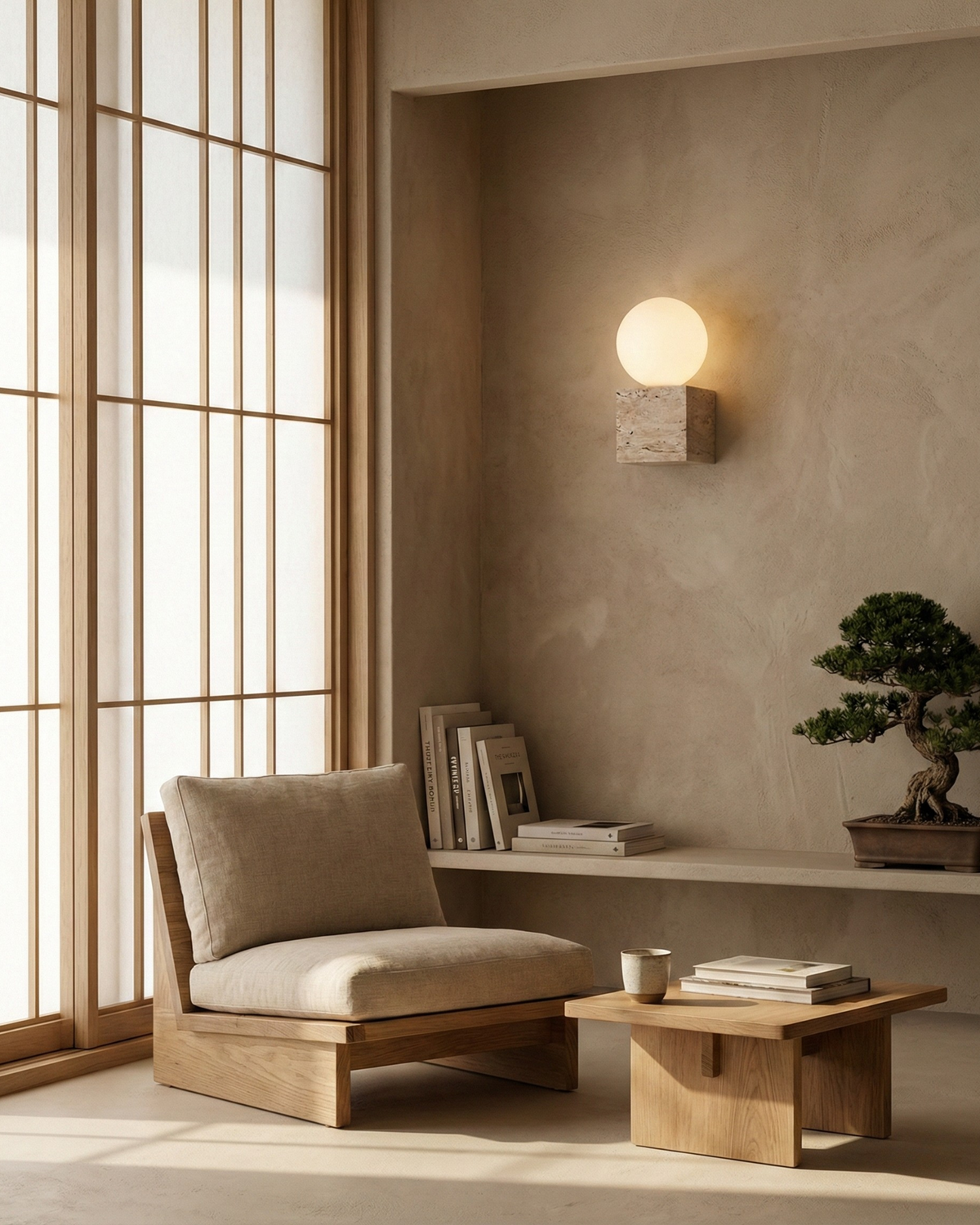
2700K or 3000K: what color temperature for a bedroom?
In short: choose 2700 K for a cozy, golden bedroom, close to the old incandescent bulb. Choose 3000 K if your decor features white, gray, light stone, or pale wood—which 2700 K would make look yellowish. The difference is real but subtle: the diffuser material has a greater impact on the final look than these 300 Kelvin.
This is the question that stops most lighting purchases. Not the price, not the installation: the fear of receiving a harsh light, that hospital white that ruins a bedroom in a second.
Good news: at 2700 K as well as 3000 K, you are very far from cold white. The problem actually comes from elsewhere.
What Kelvin measures (and what it does not)
Kelvin describes the color of the light, not its intensity. Common trap: a product sheet that says "Lumens: 3000K" mixes two units that have nothing to do with each other. If you see this error, it is already a sign of the seller's professionalism.
| Temperature | Commercial name | Look | Use |
|---|---|---|---|
| 2200–2400 K | Amber, "flame" | Very golden, almost orange | Ambient candle, bar |
| 2700 K | Very warm white | Golden, cozy | Bedroom, living room, hallway |
| 3000 K | Warm white | Warm but crisp | Bright bedroom, bathroom, decorative kitchen |
| 4000 K | Neutral white | Neutral, technical | Worktop, garage, office |
| 5000 K+ | Cold white | Bluish, clinical | Workshop, technical outdoor |
The difference between 2700 and 3000 K is roughly the difference between an old filament bulb and a halogen. It is noticeable side by side, almost invisible separately.
What causes the "hospital light" feeling is never 3000 K. It is 4000 K and above. Many entry-level wall lights come in 4000 K despite a product sheet stating 3000 K.
How to choose: the rule of the colors in your room
The right temperature depends on what it illuminates.
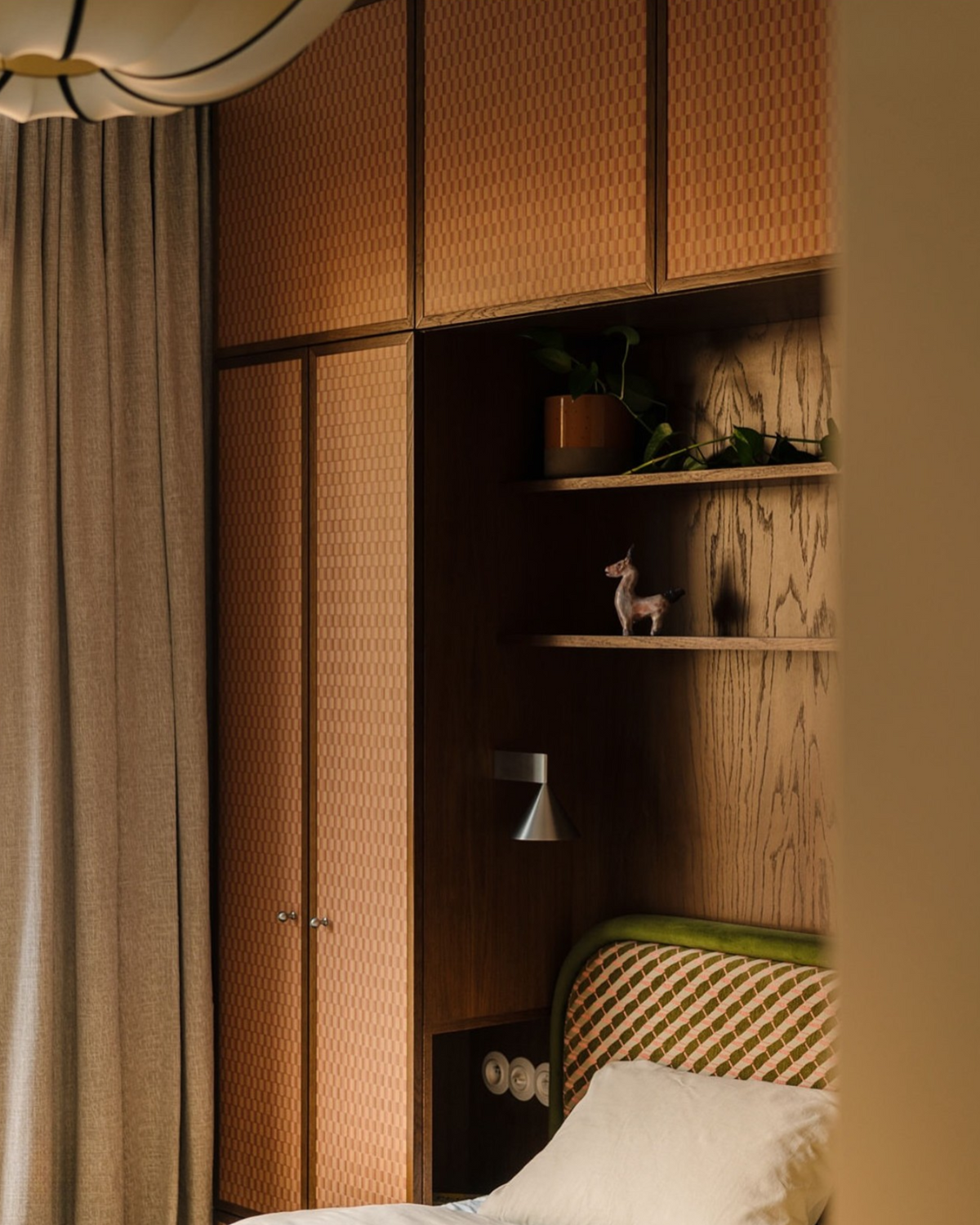
Choose 2700 K if your bedroom contains:
- medium or dark wood (walnut, smoked oak),
- warm textiles: ecru linen, terracotta, beige, camel, olive green,
- brass, bronze, copper,
- walls painted in a warm shade or off-white.
2700 K deepens these colors. The result is enveloping.
Choose 3000 K if your bedroom contains:
- pure white, light gray, blue, sea green,
- light travertine, beige natural stone, white ceramic,
- light oak, birch, ash, rattan,
- stainless steel, chrome, matte black.
At 2700 K, these materials yellow visibly. A white wall at 2700 K looks like dirty cream. This is the most common mistake in contemporary bedrooms.
The case of mixed bedrooms
If you hesitate, 3000 K is the safer choice: it works in both worlds, while 2700 K is frankly very specific. This is also why most brands calibrate their ambient wall lights to 3000 K.
The factor that product sheets ignore: the diffuser
Here is the point that almost no one explains, and which matters more than the choice between 2700 and 3000 K.
Light takes the color of what it passes through or what it hits.
- A 3000 K LED behind white opal glass comes out at roughly 3000 K: crisp, clean.
- The same LED reflected by travertine or beige stone comes out perceptually warmer, because the stone absorbs part of the blue and reflects the ochres.
- The same LED behind cheap white plastic can come out colder and flatter, with a harsh halo.
In other words: a natural stone wall light at 3000 K produces a softer light than a plastic wall light at 2700 K. The material does more than the 300 Kelvin. More details in natural stone or imitation.
The forgotten index: CRI
CRI (Color Rendering Index) measures how faithfully a light source reproduces colors, out of 100.
- CRI < 80: reds become dull, skin looks gray. Common on low-end LEDs.
- CRI 80–89: correct, market standard.
- CRI ≥ 90: textiles, wood, and skin are rendered faithfully. This is what the hospitality industry uses.
Two 3000 K wall lights, one with CRI 75, the other with CRI 95, do not look alike at all. The first makes a bedroom flat and a bit sad, without us understanding why.
If the CRI is not indicated anywhere on a product sheet, consider it low. A manufacturer that achieves 90 always writes it.
Three misconceptions
“Dimming the light makes it warmer.”
False with most LEDs. Unlike an incandescent bulb, a standard LED keeps its color temperature when dimmed. Only dim-to-warm LEDs go down toward 2200 K as they dim. A premium feature, rare in standard ranges. See truly dimmable.
“You need 4000 K to read.”
False. Reading comfort depends on the beam orientation and the illumination on the page, not the temperature. You can read very well at 2700 K with a well-placed reading light.
“2700 K is outdated.”
No. It is simply less versatile. High-end hotels oscillate between 2700 and 3000 K depending on their palette.
The non-negotiable rule: one temperature per room
This is the mistake that ruins the most projects. A bedroom with a 4000 K ceiling light, 3000 K wall lights, and a 2700 K bedside lamp produces a dirty look: the walls take on different shades depending on the area.
Choose one value. Apply it to all light sources in the room, including the ceiling light you no longer turn on—or remove it from the evening scenario, as in lighting a bedroom without a ceiling light. If you add a wall light to an existing lighting setup, the question is not “which one is best” but “which one matches what I already have”.
Decision summary
| Your situation | Choice |
|---|---|
| Cozy bedroom, dark wood, linen, brass | 2700 K |
| Contemporary bedroom, white, gray, light stone | 3000 K |
| You don't know / you will move | 3000 K |
| You already have 3000 K light sources | 3000 K, without hesitation |
| You want a candle effect in the evening | Dim-to-warm LED (check the explicit range mention) |
Frequently asked questions
What is the visible difference between 2700K and 3000K?
2700 K is more golden, 3000 K is crisper. Side by side, the difference is clear; separately, most people do not distinguish it. 2700 K yellows white surfaces, 3000 K respects them.
Is 3000K a cold light?
No. 3000 K remains in the “warm white” category. Light perceived as cold starts at 4000 K.
What temperature for a stone or travertine wall light?
3000 K. Beige stone naturally warms the look; a 2700 K LED behind travertine can become too golden.
What is a good CRI for a bedroom?
90 or more. Below 80, textiles and skin are poorly rendered. If the CRI is not indicated, be wary.
Can you mix 2700K and 3000K in the same room?
Not recommended. The eye detects the difference and the room looks poorly balanced. One temperature per room.
Choosing with knowledge
One temperature per room, a named diffuser, an identified material. The Faubourg & Fils interior wall lights indicate their temperature and material on every product sheet—if one piece of information is missing to decide, write to us before ordering rather than after.